Complaints Procedure for Landscapers Clapham
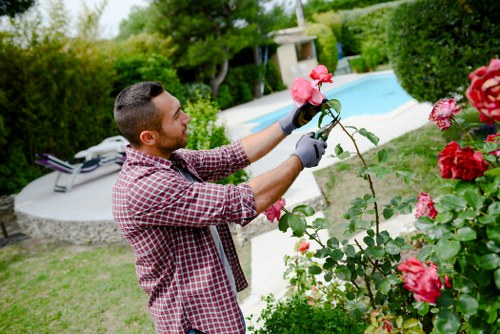 A clear complaints procedure helps customers understand what to do when a landscaping project does not meet expectations. For a landscapers Clapham service area, the process should be straightforward, fair, and focused on resolving issues quickly. Whether the concern relates to missed deadlines, poor workmanship, damaged surfaces, or an unfinished garden feature, a structured approach makes it easier to handle matters professionally.
The purpose of a complaints policy is not to create conflict; it is to provide a calm route toward resolution. Customers should feel confident that their concerns will be heard, assessed, and addressed in an orderly way. At the same time, the business benefits from clear steps that protect quality standards and reduce confusion.
 In landscaping, problems can arise in many forms. A lawn may be laid unevenly, paving may not sit correctly, planting may not match the agreed specification, or waste may be left behind after completion. A well-written complaints procedure explains how such issues are recorded and reviewed. It also shows that the company values accountability and professional service.
Receiving and Logging a Complaint
The first stage is to receive the complaint in a consistent way. A customer should be able to explain the issue clearly, including what happened, when it happened, and how it differs from the agreed work. For a landscaper in Clapham, this may involve a project manager, office administrator, or site supervisor noting the concern in a formal record.
Once the issue is logged, the complaint should be acknowledged promptly. The acknowledgement does not need to solve the matter immediately, but it should confirm that the concern has been received and is under review. This step reassures the customer that the process is active and that the business takes the matter seriously.
 The complaint record should include the customer’s name, the property or project reference, the date of the complaint, and a short summary of the issue. It is also useful to note any photographs, measurements, or inspection notes. Keeping accurate records helps ensure that decisions are based on facts rather than assumptions.
Assessment and Investigation
After logging the complaint, the company should assess the issue carefully. This often means reviewing the original quotation, job notes, drawings, or written instructions. For a landscaping service area, where work may involve turfing, drainage, planting, fencing, or hard landscaping, the complaint must be compared with the original scope of work.
If needed, an inspection should be carried out on site. The inspection should be objective and should check whether the work was completed to the expected standard, whether any damage occurred during installation, and whether the concern is due to workmanship, weather conditions, or a misunderstanding about the brief. A fair investigation avoids blame and focuses on evidence.
In some cases, the problem may be minor and simple to correct. In others, it may require additional labour, replacement materials, or a revised schedule. The complaint procedure should allow the company to decide whether a repair, adjustment, partial refund, or other remedy is appropriate. Transparency is essential at this stage.
Response and Resolution
Once the issue has been reviewed, the customer should receive a clear response. The response should explain what was found, whether the complaint is upheld, and what action will be taken. For example, if a paving alignment is incorrect or a planted border was not completed as specified, the business should state how it intends to put matters right.
It is helpful to set realistic timescales for resolution. Some issues can be resolved within a few days, while more complex work may require ordering materials or arranging a return visit. A good landscaper complaints process gives approximate timeframes so customers know what to expect without making promises that cannot be kept.
Professional service depends on clear communication during this stage. If the remedy involves follow-up work, the customer should be informed about who will attend, what will be corrected, and whether there will be any temporary disruption. When the complaint is resolved, the company should update its records and confirm closure in writing where appropriate.
Escalation and Review
 If the customer remains dissatisfied after the initial response, there should be an escalation step. This may involve a senior manager or director reviewing the case again. Escalation is useful when there is disagreement about workmanship, the agreed specification, or the proposed remedy. It gives the customer a further opportunity to have the matter reconsidered.
A second review should remain impartial and based on the evidence already collected. If a fresh inspection is needed, it should focus on the specific concerns raised and any new information provided. This keeps the process fair and avoids unnecessary repetition.
Where a complaint cannot be fully upheld, the company should still explain the reasons carefully and respectfully. Even when no further action is required, the customer should understand how the decision was reached. A well-run landscapers complaints policy protects both customer confidence and business integrity.
Standards for Fair Handling
 A strong procedure should always be based on fairness, consistency, and respect. Complaints should be handled without delay, without defensiveness, and without favouritism. Staff should be trained to listen carefully, avoid arguments, and keep the discussion focused on the facts of the landscaping work.
The policy should also make clear that complaints are not treated as a nuisance. Instead, they are viewed as an important part of quality control. For a landscaping company service area, this means learning from patterns of complaint, improving supervision, and reducing the chance of similar problems happening again.
In summary, a well-structured complaints procedure supports reliable service and gives customers confidence that issues will be addressed properly. By setting out the steps for receiving, investigating, responding to, and escalating concerns, a landscapers Clapham business can maintain high standards while handling complaints in a calm and professional way.

