Lawn Care in Clapham: Practical Tips for a Healthier, Greener Garden
Why lawn care in Clapham matters for local homes
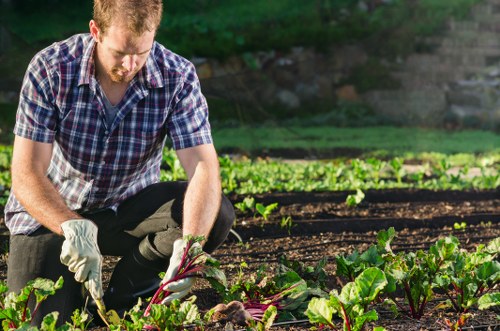
Lawn care in Clapham is about more than simply keeping grass short and tidy. In a busy South London setting, a well-maintained lawn can transform a small outdoor space into a calm, attractive, and usable extension of the home. Whether you have a compact urban garden, a shared green space, or a larger family lawn, the right approach to lawn care in Clapham helps create a healthier, more resilient surface that looks good throughout the year.
Clapham’s mix of weather conditions, shade from neighbouring buildings, foot traffic, and soil compaction can make grass care more challenging than in open countryside settings. That is why a tailored approach matters. Local conditions influence how often you mow, when you feed, how you water, and what treatments your grass may need. With the right routine, lawn care in Clapham can be simple, effective, and rewarding.
Many homeowners also value lawns for their versatility. A neat lawn supports play, relaxation, entertaining, and biodiversity when managed with care. By focusing on consistent maintenance and smart seasonal changes, you can improve not only the appearance of your garden but also its long-term health. Healthy turf is easier to maintain than neglected grass, so a proactive plan always pays off.
Understanding Clapham’s lawn conditions
Before choosing treatments or routines, it helps to understand the factors that affect lawn care in Clapham. Urban gardens often face limited sunlight, poor air circulation, and uneven moisture levels. These conditions can encourage thin grass, moss, weeds, and patchy growth. In some gardens, the soil may also be compacted from regular use, making it harder for roots to absorb water and nutrients.
Shade is one of the most common issues in Clapham lawns. Trees, fences, and neighbouring buildings can reduce light levels, especially in smaller gardens. When grass receives less sunlight, it grows more slowly and becomes vulnerable to moss. In these situations, lawn care in Clapham often requires a shade-tolerant grass mix, careful mowing, and a gentler feeding routine to avoid stressing the turf.
Soil type is another important factor. Clay-heavy soil may hold water for too long, while sandy soil can dry out quickly. Both extremes affect growth and can lead to uneven results if not managed properly. A good lawn care approach in Clapham should always consider drainage, moisture retention, and soil structure. Adding organic matter, aerating regularly, and improving the surface can make a major difference over time.
Core lawn care in Clapham: the essentials
Successful lawn care in Clapham usually starts with a few key practices carried out consistently. These basics may seem simple, but they have a huge impact on the look and health of your grass. The main tasks include mowing, watering, feeding, aeration, scarification, weed management, and repairing damaged areas. Together, these form the backbone of any effective lawn maintenance routine.
One of the most important rules is to avoid overworking the grass. Clapham lawns, especially smaller ones, can be damaged by frequent foot traffic, low cutting, and heavy machinery. Instead, aim for a balanced routine that supports growth rather than forcing it. Consistency is more effective than occasional intensive treatments. This is particularly true in a climate where grass growth changes quickly with the seasons.
Another essential part of lawn care in Clapham is observation. By checking the lawn regularly, you can spot early signs of stress such as dull colour, thinning areas, moss spread, and increased weed growth. Early action is often easier and cheaper than dealing with widespread damage. A little attention each week can save a lot of effort later in the year.
Mowing the right way for a better lawn

Mowing is one of the most visible parts of lawn care in Clapham, and it has a direct effect on turf quality. Cutting too short can weaken grass, expose the soil, and invite weeds. Cutting too infrequently can leave the lawn looking untidy and encourage patchy growth. The best approach is to keep the mower blades sharp and adjust the cutting height according to the season and grass type.
In spring and summer, regular mowing helps the lawn remain dense and even. However, it is usually best to avoid removing more than one-third of the blade length at a time. This reduces stress and helps the grass recover quickly. In shaded or drought-prone areas, leaving the grass slightly longer can help it capture more light and retain moisture. This is especially useful in Clapham gardens where conditions vary from one section to another.
Clipping management also matters. Fine clippings can often be left on the lawn if they are light and evenly distributed, as they return nutrients to the soil. However, thick clumps should be removed to prevent smothering the grass. For many homeowners, lawn care in Clapham becomes easier when mowing is seen not as a chore, but as a way to guide the lawn toward healthier, stronger growth.
Useful mowing habits
- Keep mower blades sharp for a cleaner cut.
- Raise cutting height during hot or dry periods.
- Avoid mowing wet grass whenever possible.
- Change mowing direction to reduce compaction and ruts.
- Leave grass a little longer in shaded parts of the garden.
Watering, feeding, and seasonal care
Watering is a major consideration in lawn care in Clapham, especially during dry spells. Lawns often need less frequent but deeper watering rather than short, shallow sprinklings. Deep watering encourages roots to grow further into the soil, which improves resilience. Early morning is usually the best time to water because it reduces evaporation and allows the lawn to dry during the day.
Feeding is equally important. Grass needs nutrients to stay green, recover from wear, and compete with weeds. A balanced lawn fertiliser can support healthy growth in spring and summer, while an autumn feed can strengthen roots and prepare the turf for colder conditions. The right feeding schedule depends on the condition of the lawn, the season, and the surrounding environment. For example, a shaded lawn may need a lighter approach than a high-traffic family lawn.
Seasonal care makes lawn care in Clapham much more effective. Spring is the time for recovery, summer is about protection and moisture management, autumn focuses on repair and strengthening, and winter is the period for limiting damage. Thinking seasonally prevents over-treatment and helps the lawn adapt naturally. This balanced method is especially valuable in urban gardens where conditions can shift fast.
Seasonal lawn tasks at a glance
- Spring: rake away debris, aerate compacted areas, feed lightly, and mow regularly.
- Summer: water deeply when needed, raise mowing height, and monitor for heat stress.
- Autumn: scarify, overseed, apply autumn feed, and repair bare patches.
- Winter: reduce traffic on frozen or waterlogged grass and keep the lawn clear of debris.
Dealing with moss, weeds, and patchy growth
Moss and weeds are among the most common frustrations in lawn care in Clapham. Moss often appears when grass is weak, the soil is compacted, or the lawn is shaded and damp. Weeds may spread where the turf is thin or damaged. Rather than treating these problems as isolated issues, it is better to look at the underlying cause. Stronger grass naturally reduces the space available for unwanted growth.
For moss, improving drainage and light levels is often the best first step. Aeration can help relieve compaction and let air, water, and nutrients reach the roots. Scarification can also remove layers of dead material that create a damp, moss-friendly environment. In many gardens, these measures improve the lawn more effectively than repeated moss treatments alone. Healthy turf is the best long-term defence.
Weed control should also be handled strategically. Hand removal works well for isolated weeds, especially in smaller Clapham gardens. For more widespread problems, selective weed treatments may be appropriate, but they should be used carefully and in line with lawn type and local conditions. Overseeding bare or thin patches helps the lawn fill in and reduces the return of weeds. A dense lawn is a far better barrier than patchy grass.
Common causes of patchiness
- Foot traffic in the same areas
- Insufficient sunlight
- Poor drainage or standing water
- Low mowing height
- Nutrient deficiency
- Pet damage or soil compaction
Soil health and lawn recovery in Clapham
Good lawn care in Clapham depends heavily on soil health. Grass grows best when roots can spread easily, access water, and absorb nutrients. If the soil is hard, thin, or lacking in organic matter, the lawn will struggle no matter how often it is cut or watered. This is why soil improvement should be seen as a central part of any maintenance plan.
Aeration is one of the most helpful treatments for compacted lawns. By creating small holes in the surface, it allows better airflow and improves water penetration. This is particularly valuable in areas where the lawn is used regularly for walking, children’s play, or outdoor furniture. In compact city gardens, aeration can lead to visibly better results within a relatively short time.
Overseeding is another powerful recovery method. Spreading fresh seed over thin or damaged sections thickens the turf and improves colour. Choosing a seed blend suited to your garden’s light conditions makes a big difference. In shaded Clapham gardens, a shade-tolerant mix may be the best choice. For sunnier spaces, a hard-wearing lawn seed can deliver stronger results. The goal is always the same: build a more resilient surface that can handle everyday use.
When lawn care in Clapham needs a professional touch
Many lawn tasks can be handled by homeowners, but some situations benefit from professional support. If the lawn has persistent drainage problems, large moss infestations, widespread thinning, or repeated weed outbreaks, expert advice can save time and prevent further damage. Professional lawn care in Clapham often includes assessment of soil structure, tailored feeding, aeration, scarification, and restoration work.
Professional help is especially useful when the lawn is part of a property that needs to make a strong impression. Front gardens, rental properties, and entertainment spaces often benefit from a more polished finish. A well-kept lawn enhances the appearance of the entire garden and can make a small outdoor space feel more welcoming. For many homeowners, investing in lawn care brings both visual and practical benefits.
Working with a specialist can also reduce uncertainty. Instead of guessing which fertiliser to use or when to scarify, you can follow a plan built around the lawn’s actual needs. That often leads to better results and less wasted effort. If your aim is to restore tired turf or keep a healthy garden looking its best, now is a good time to Book your service now and take the next step toward a better lawn.
Simple habits that make a big difference
Good lawn care in Clapham does not always require complicated methods. Often, small changes to daily or weekly habits have the biggest impact. Keeping the lawn clear of leaves and debris, avoiding excessive wear during wet weather, and choosing the right time to water can all improve grass health significantly. The more consistent the routine, the easier it becomes to maintain a strong lawn throughout the year.
Another valuable habit is rotating garden use. If one section of the lawn receives most of the foot traffic, try to vary where people walk or place seating. This reduces compaction and stops certain areas from becoming bare or uneven. In family gardens, using stepping stones or designated play zones can protect the turf while keeping the space practical. Small adjustments often lead to long-term improvements.
It is also smart to think ahead. If you know your lawn struggles after summer, plan recovery work for early autumn. If shade is a recurring issue, choose appropriate grass seed before the next overseeding. Lawn care in Clapham becomes far more manageable when the focus shifts from reacting to problems to preventing them. That proactive mindset helps create lawns that are both attractive and durable.
Practical lawn care reminders
- Check the lawn weekly for thinning or weed growth.
- Keep mower blades maintained and cutting height appropriate.
- Improve drainage in areas that stay wet after rain.
- Use lawn feeds that match the season.
- Repair worn areas before they spread.
Creating a lawn that suits Clapham living
Every garden has its own character, and effective lawn care in Clapham should reflect that. Some homeowners want a smart, decorative lawn that frames planting beds beautifully. Others need a family-friendly surface that can handle games, pets, and regular use. There is no single perfect formula, but there is always a suitable approach based on conditions, use, and maintenance preferences.
The best lawns are rarely the result of one major intervention. More often, they are built through steady attention, sensible mowing, targeted feeding, and occasional repair work. Over time, these efforts create a healthier lawn that looks vibrant and feels pleasant underfoot. That makes the garden more enjoyable in every season, from spring growth to autumn recovery.
Whether you are improving a tired patch of turf or maintaining a lawn that already looks good, the key is to stay consistent and realistic. Lawns in Clapham can thrive when they are treated with care and adjusted to suit the local environment. With the right balance of routine and expertise, your garden can become a more attractive, relaxing, and functional place to spend time. If you are ready to improve your outdoor space, Contact us today and start moving toward a greener result.

